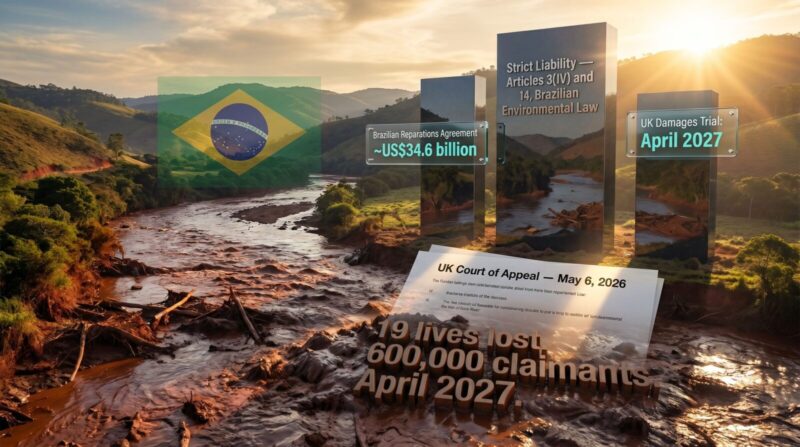
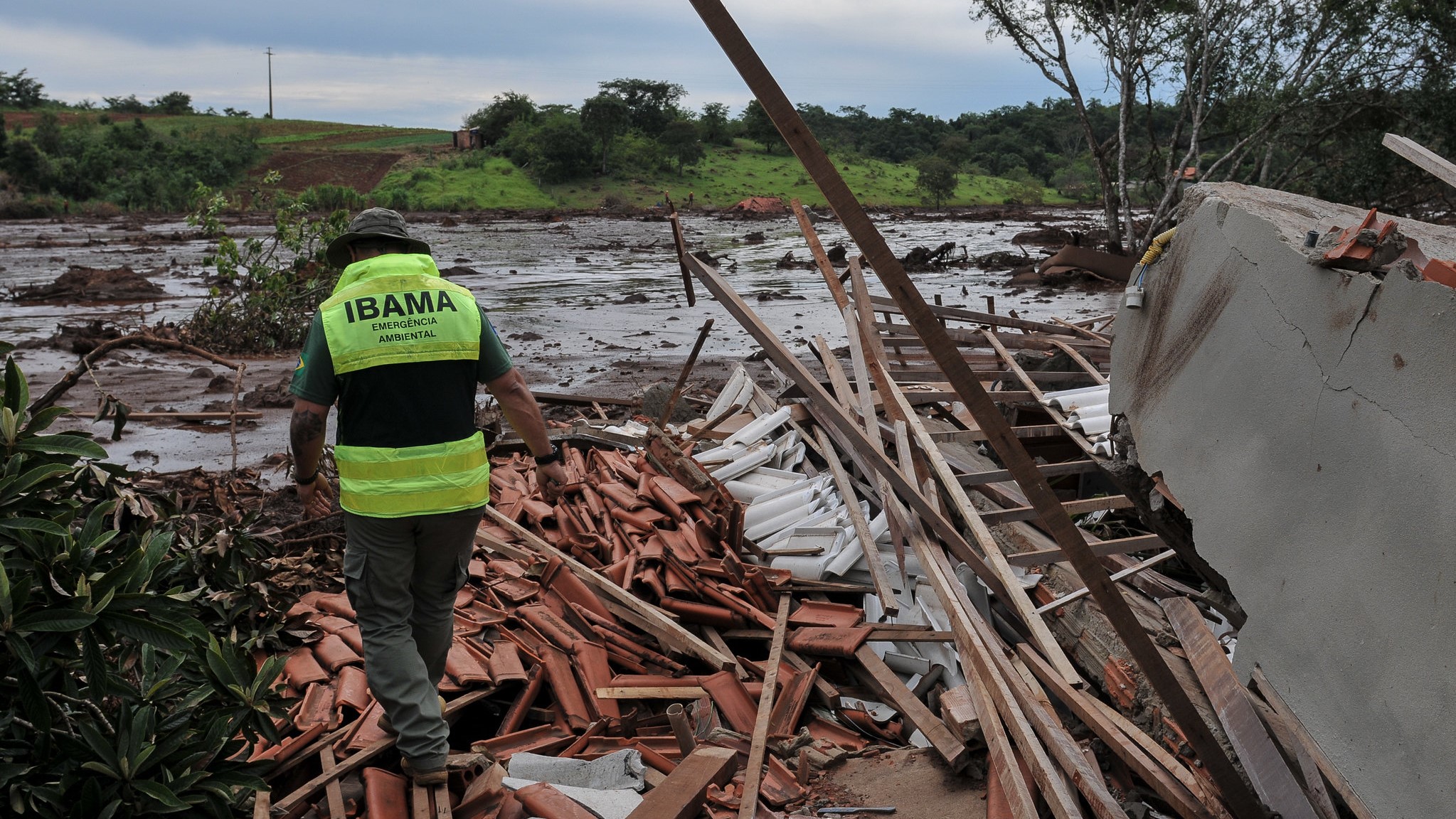
The Brazil dam claim involving Pogust Goodhead and BHP has become one of the most important environmental group actions connected to the English courts. The case relates to the collapse of the Fundão dam in Mariana, Brazil, which caused severe damage to communities, livelihoods, and natural resources. While much attention has focused on liability and compensation, recent discussion around legal costs has also become significant for understanding how the case may continue.
Why the Costs Ruling Matters
A costs ruling can affect how major litigation is funded, managed, and continued. In large group claims, legal teams often spend years preparing evidence, managing claimants, and attending court hearings before any final outcome is reached.
The name Harris has appeared in wider discussion connected to the legal and financial pressure surrounding the case, but the main issue remains the court’s decision to cut or limit certain payments linked to the Brazil dam claim.
For claimants, a payment cut does not necessarily mean the case is over. However, it may influence how legal teams manage resources, communicate with clients, and prepare for the next stages of the proceedings.
How Cost Pressure Affects Group Claims

Major environmental claims require significant funding because they involve expert reports, document review, translation, administration, and long hearings. When courts reduce or question payments, law firms and funders may need to reassess budgets and litigation strategy.
Cost pressure can also affect timing. If legal teams must adjust funding arrangements or challenge parts of a ruling, this can create delays or additional procedural steps. In complex cases involving large claimant groups, even small financial changes can have wider operational consequences.
At the same time, courts often review costs carefully to ensure that payments remain proportionate and properly justified. This is especially important in large scale litigation where expenses can grow quickly over many years.
What It Means for the Brazil Dam Claim

The Brazil dam claim remains highly significant because of the number of people affected and the seriousness of the environmental damage involved. A costs ruling may create pressure on the legal teams, but it does not remove the underlying issues at the center of the case.
For claimants, the key questions remain whether compensation can be secured, how damages will be assessed, and how long the process may take. Legal cost disputes are important because they can influence the pace and structure of the litigation, but they are separate from the factual harm suffered by affected communities.
The ruling also highlights the challenges of funding international group claims. These cases are expensive, legally complex, and closely monitored by courts because they involve both public interest issues and substantial financial commitments.
Conclusion
The Pogust Goodhead costs ruling in the Brazil dam claim shows how financial decisions can shape the progress of major environmental litigation. A court ordered payment cut may create pressure for legal teams and funders, but it does not automatically stop the claim or remove the central issues facing affected communities. As the case continues, cost control, funding stability, and clear case management will remain important factors in determining how effectively the litigation moves forward.